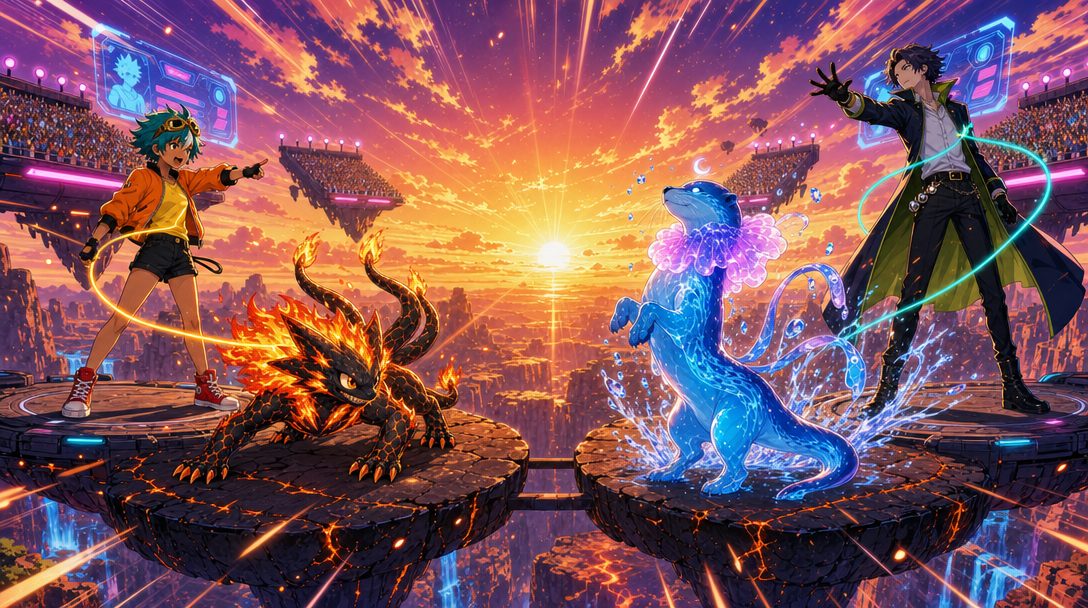

For the last few days I have been building something I did not expect to be building this year: an interactive movie that films itself around the player. It is called Dream, it lives at dream.vbgnt.com, and it is an alpha prototype in every sense of the word. This is a short account of what it is and what I learned making it.
A dream
You describe a game in a paragraph: the kind of game, how it plays, how it looks, what it should feel like. An agent writes a production bible from that: the world with named places, the rules of play, two to four characters with repeatable visual descriptions, and a director's prompt that says all of it in the present tense. It paints a reference image for every character and key place and composes an opening shot. Then a realtime video model films the movie in short clips, keeping the cast and places consistent from prompts, and every clip it asks what you do next. You type it or say it, and the next scene is shot around your answer.
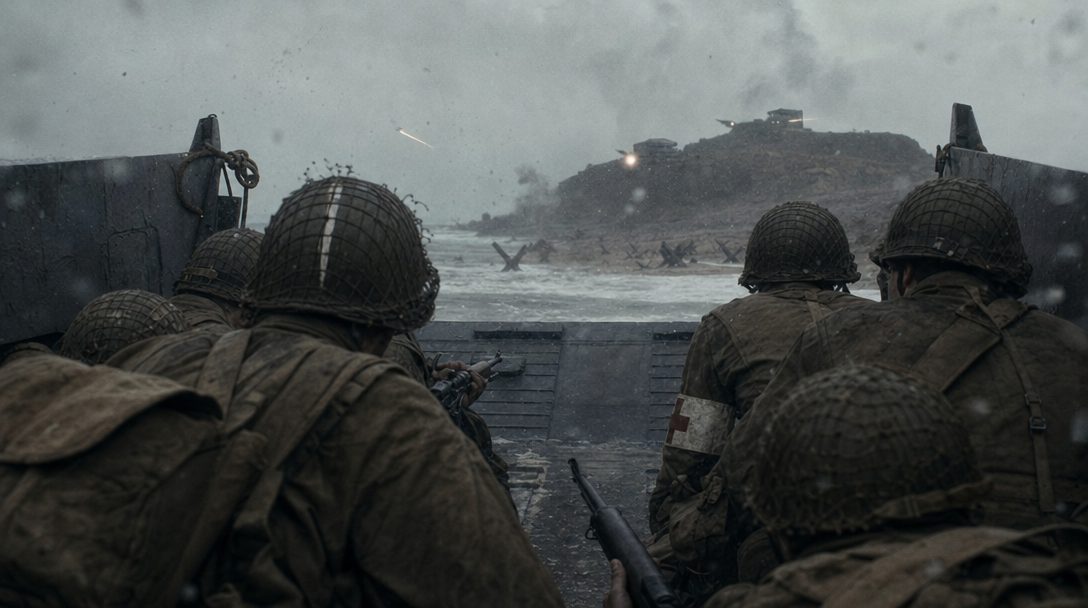
The thing I got wrong first was caution. My live director was told to protect the fiction, so when a friend typed "take out a machine gun and start blasting" in a medieval battle, the film politely refused. That is exactly backwards. In a dream your direction is law, and now it is: absurd, genre-breaking, whatever. The world bends to it.
A super dream
The weakness of a plain dream is that nothing underneath it is true. There is no position, no health, no door that is either open or closed. The video model remembers a few sentences and improvises the rest. A super dream fixes that the blunt way: it puts a real game underneath the film.
The studio builds a small Godot game with deliberately crude graphics, coloured shapes on a flat background, and real mechanics. A bridge inside the game reports what is on screen several times a second and composes a prose description of the current shot. Every clip, that description becomes the director's next prompt. No language model sits in that loop; the game already knows what is happening, so it just says so. The film trails the controls by seconds, and rather than hide that I draw it: a wireframe layer over the film marks where the game says everyone is now against where they were when the playing clip was shot, with a badge that says how far behind the film is.
What breaks
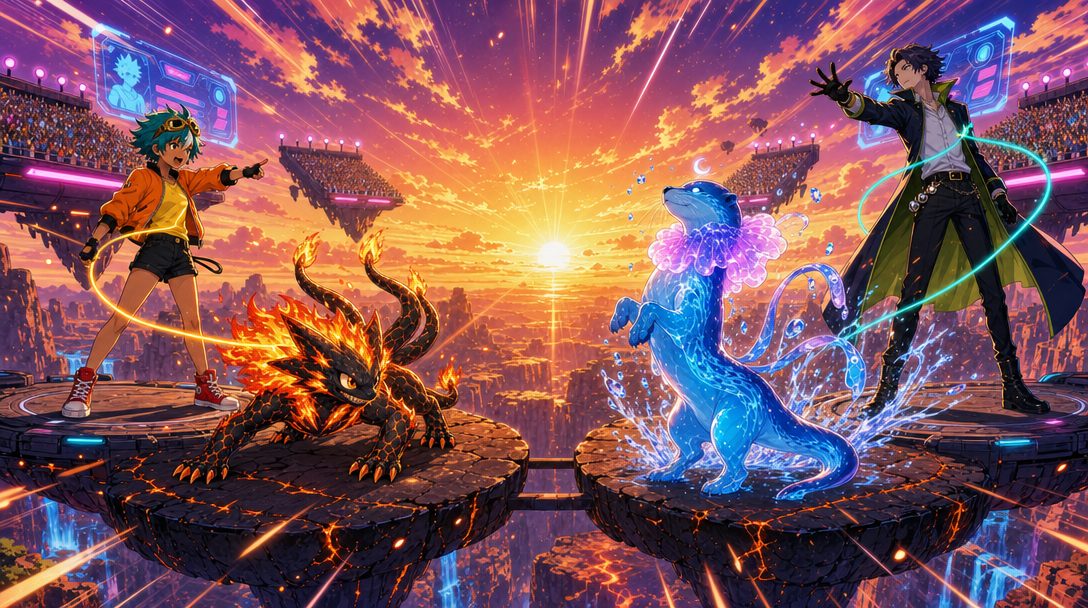
Plenty. A session runs about two minutes before the stream stops and you continue from the last frame, so a story arrives in chapters. A move takes seconds to reach the screen. A plain dream has no world state, only the last few beats as text. The film mostly agrees with the bible about the colour of a coat, and sometimes does not. And every second of film is metered, which is why the thing is invite-only and why every session is recorded and public: a played dream is worth more watched than filmed once.
Why bother
Because of what changes if it works. A game engine needs every asset made in advance. A video director paints from a description and a reference image. If that holds up, the expensive half of making a game stops being expensive, and what is left is the interesting half: the rules, the state, the choices, the pacing. The super dream is a first sketch of that split. The game is shapes and rules. The film is the look.
The dreams played so far, with every session recorded and every move captioned, are on dream.vbgnt.com. The longer write-ups are on the vbgnt blog: what a dream is, how a super dream works, and the alpha notes. Watch a few. Then imagine the lag at zero.